A water heater is an essential appliance in any home, providing hot water for bathing, cooking, and cleaning. However, when you notice water leaking from the overflow pipe, it can be a sign of an issue that needs immediate attention. Ignoring this problem can lead to water damage, higher utility bills, and even a complete failure of your water heater. If you’re dealing with this issue, understanding the cause and possible solutions is crucial. While some minor issues can be fixed with a simple adjustment, others may require professional assistance. If you are uncertain, searching for water heater installation in Carlsbad or a plumber near me can help you find a qualified expert.
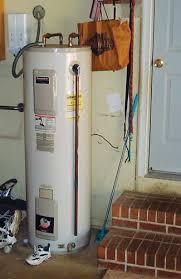
Why Is Water Leaking from the Overflow Pipe?
The overflow pipe, also known as the temperature and pressure relief (T&P) valve discharge pipe, is a safety feature designed to release excess pressure and prevent potential explosions. If water is leaking from this pipe, here are some common reasons why:
1. Excessive Pressure Build-Up
One of the main reasons for an overflow pipe leak is excessive pressure inside the water heater. When the water heats up, it expands, increasing pressure. If the pressure exceeds a safe level, the T&P valve will release some water to relieve it. This could be due to a faulty thermostat causing overheating or a high incoming water pressure.
2. Faulty Temperature and Pressure Relief Valve
A malfunctioning T&P valve can also cause leaks. Over time, mineral deposits and corrosion can affect the valve’s ability to function correctly, causing it to leak continuously. If the valve is stuck open or doesn’t close properly, water will keep flowing out of the overflow pipe.
3. Thermal Expansion Issues
When water is heated, it expands. If your plumbing system lacks an expansion tank, the excess volume has nowhere to go, leading to increased pressure and possible leaks. Installing a thermal expansion tank can help absorb this extra pressure and prevent water from leaking.
4. Sediment Buildup
Over time, sediment from hard water accumulates at the bottom of the tank, affecting the heater’s efficiency. This buildup can cause overheating, increasing pressure and forcing the overflow pipe to discharge water. Regular flushing of the water heater can help prevent this issue.
5. High Water Supply Pressure
If your home’s water supply pressure is too high, it can cause the water heater to experience frequent pressure fluctuations, triggering the T&P valve to release water. A pressure-reducing valve (PRV) can be installed to regulate the pressure and prevent further leaks.
How to Fix a Water Heater Leaking from the Overflow Pipe
Depending on the cause of the leak, you can take several steps to address the problem:
1. Check the Temperature Setting
Ensure that the thermostat is set to a safe temperature (typically around 120°F). If it’s set too high, it could be causing the water to overheat and create excessive pressure.
2. Test and Replace the T&P Valve
Manually test the T&P valve by lifting the lever. If water flows out and stops when you release it, the valve is functioning properly. If water continues to flow or the valve is stuck, it may need to be replaced.
3. Flush the Water Heater
Draining and flushing the tank can help remove sediment buildup, improving efficiency and preventing overheating. This should be done at least once a year to maintain the water heater’s performance.
4. Install an Expansion Tank
If your home lacks an expansion tank, consider installing one to handle excess water volume due to thermal expansion. This can help reduce pressure fluctuations and prevent leaks.
5. Regulate the Water Supply Pressure
Check your home’s water pressure using a pressure gauge. If it’s above 80 psi, install a PRV to regulate it. Keeping the pressure within a safe range can prevent excessive stress on the water heater.
When to Call a Professional
While some minor adjustments can fix a leaking overflow pipe, certain situations require professional intervention. If you suspect a serious issue, searching for water heater installation in Carlsbad or a plumber near me can help you find an expert to diagnose and repair the problem effectively. Professionals can ensure your system is running safely and efficiently, preventing costly damage in the long run.
Conclusion
A leaking water heater overflow pipe should never be ignored, as it can indicate underlying problems such as excessive pressure, a faulty T&P valve, or sediment buildup. While some solutions, like adjusting the thermostat or flushing the tank, can be done by homeowners, others may require the expertise of a professional plumber. If the problem persists, contacting a specialist for water heater installation in Carlsbad or searching for a plumber near me can help ensure a long-term fix and the continued efficiency of your water heater.