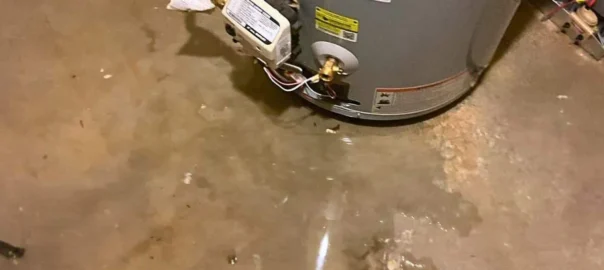
7 Warning Signs Your Water Heater Is About to Fail
There are several reasons why a homeowner should have a reliable water heater. It provides hot water for washing, cooking, cleaning, and bathing. Since a water heater usually operates quietly behind the scenes, many homeowners overlook it until there is no hot water or a leak creates an urgent situation.
Fortunately, most water heaters display warning signs before they fail completely. Identifying these early warning signs gives you time to schedule a repair, avoid costly water damage, and determine whether it is time to replace your unit. Below are seven common warning signs you should never ignore.
1. Inconsistent or No Hot Water
The first sign of a potential issue is inconsistent hot water temperature. If your hot water only lasts a short time or frequently changes between hot and cold, your water heater may be struggling.
Several issues can cause this problem. Common examples include a failed heating element, a faulty thermostat, or sediment buildup inside the tank. A trusted plumber can inspect the unit, determine the cause, and recommend the appropriate repair or replacement.
2. Unusual Sounds Coming From Your Water Heater
You should hear little to no noise coming from your water heater. If you hear rumbling, cracking, or popping sounds, sediment has likely built up at the bottom of the tank.
As the burner heats the water, the sediment traps moisture and creates these noises. This forces the unit to work harder, reduces efficiency, and increases wear on internal components. Routine maintenance may resolve the problem. However, units with excessive sediment buildup over many years may require replacement.
3. Rusty or Discolored Hot Water
When you turn on the hot water faucet, do you notice rusty or discolored water? This may indicate internal corrosion inside your water heater.
Internal corrosion can eventually cause leaks or weaken the tank. Replacing the anode rod may extend the life of your current unit. However, severe corrosion often requires a complete water heater replacement.
Discolored hot water can also originate from another part of your home’s plumbing system. A trusted plumber can inspect the entire system to determine the source.
4. Water Around Your Water Heater
Do you notice even a small amount of water around your water heater? Any amount of standing water should be addressed immediately.
Possible sources include loose connections, faulty valves, cracked tanks, or deteriorated fittings. Some problems only require tightening connections or replacing inexpensive parts. However, a leaking tank typically cannot be repaired safely and usually requires replacement.
Ignoring even a small leak can lead to costly damage to floors, walls, and ceilings. It can also create conditions for mold growth.
5. Increasing Utility Bills
Has your utility bill increased even though your household’s water usage has remained the same?
Traditional tank water heaters become less efficient as they age. Worn components and sediment buildup force the unit to work harder to produce hot water. As a result, energy consumption increases.
A trusted plumber can evaluate your water heater’s performance and determine whether maintenance, repair, or replacement is the most cost-effective solution.
6. Age of Your Water Heater
Most conventional tank water heaters last between eight and twelve years with proper maintenance. If your water heater has reached or exceeded that age, it may still operate normally.
However, the likelihood of hidden corrosion, worn components, and reduced efficiency increases as the unit ages. Scheduling an annual inspection with a trusted plumber helps you prepare for replacement before an unexpected breakdown interrupts your daily routine.
7. Frequent Repairs
Occasional repairs are expected during the life of a water heater. However, repeated service calls can quickly cost more than replacing the unit with a newer, energy-efficient model.
If you repeatedly replace heating elements, valves, thermostats, or other components, the cost of maintaining your current unit may exceed its value. A trusted plumber can review your repair history and help determine whether continued repairs or replacement is the better investment.
Don’t Wait Until Total Failure
Many homeowners do not take action until their water heater fails completely. Unfortunately, a complete failure often leads to emergency service, water damage, and unexpected expenses.
Watch for unusual noises, inconsistent water temperatures, rusty water, leaks, and rising energy bills. Recognizing these warning signs early gives you time to address problems before they become emergencies. Routine maintenance and timely repairs can extend the life of your water heater while improving its performance.
When replacement becomes necessary, choosing the correct size and model for your home helps improve energy efficiency and provides a reliable supply of hot water for years to come. If you’re unsure whether your system needs a repair or full replacement, the experienced team at AC Plumbing Construction, https://acplumbingconstructioninc.com/ can inspect your water heater, explain your options, and recommend the solution that best fits your home’s needs.…